From Year 6 to Year 7: The Subject Conversation That Data Cannot Have

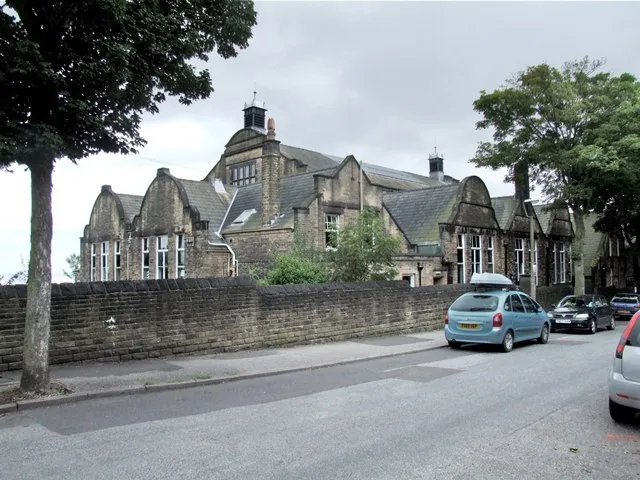
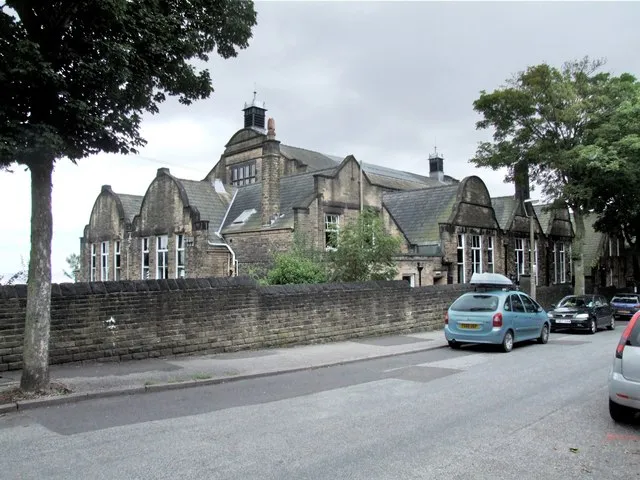
Photo: Exploringlife, CC BY-SA 4.0, via Wikimedia Commons
Every summer, secondary schools receive a great deal of information about the pupils who will join them in September. There are attainment records, reading ages, attendance patterns, special educational needs information and pastoral notes. All of it matters. None of it, however, tells a subject teacher what it feels like to sit in a lesson with a particular class, or how those pupils have learned to talk about a subject before they arrive.
That is the gap a short professional conversation can fill. Not another initiative, not another form to complete, but a deliberate handover between the Year 6 teacher who knows the class and the secondary subject lead who will shape the first weeks of Year 7.
Why the data drop is not a handover
Data is strong on categories and weak on classroom texture. A scaled score can indicate that a pupil is working at the expected standard, but it cannot show whether that pupil will volunteer an answer in a new room, or whether they have learned to associate the subject with confusion. A support plan can explain an identified need, but it cannot describe the routine that helps a pupil settle, or the language a teacher uses to unlock a difficult idea.
Secondary subject leads are often asked to build curriculum continuity from documents alone. The result is a September in which Year 7 teachers spend the first fortnight discovering habits that a primary colleague could have described in five minutes. That is not a failure of professionalism; it is a failure of connection. Transition has been treated as an administrative process when it is also a professional one.
The argument here is modest. A structured twenty-minute conversation, held before the end of the summer term, can give subject departments a more accurate picture of what pupils bring with them. It does not replace the formal transition arrangements already in place. It sits alongside them, using time that is already allocated to transition and making it more useful.
What the Year 6 teacher knows
In most primary settings, the class teacher sees pupils across a broad curriculum and over a sustained period. They know which pupils have become confident readers of subject-specific text and which still avoid it. They know how the class responds to practical work, how they record ideas, how they ask for help and what happens when they are asked to work in a group.
Much of this knowledge is subject-shaped, even when it is not subject-labelled. A Year 6 teacher can explain how pupils have been taught to explain a method in mathematics, how they have used sources in history, or how they have been encouraged to predict and test in science. They can also describe the language pupils use. Do they say 'the olden days' or 'the Victorians'? Do they talk about 'fair tests' or simply 'experiments'? Do they see geography as naming places or as explaining change?
These details are not trivia. They are the working vocabulary of the classroom. When a Year 7 teacher knows them, the first lesson can begin from a real starting point rather than an assumed one. When a subject lead knows them, the department can plan a more coherent bridge between key stage 2 and key stage 3.
A twenty-minute subject conversation
The protocol is deliberately small. It requires one secondary subject lead, one Year 6 teacher or primary subject lead, and a focused agenda. It should not become a formal report. A single page of notes, kept and shared appropriately, is sufficient.
The conversation can be organised around three prompt areas.
1. How pupils talk about the subject
Ask how pupils describe the subject when they are not being assessed. What words do they use? What do they enjoy explaining? What misconceptions recur? For example, a secondary science lead might ask whether pupils are used to saying 'prediction' and 'conclusion', or whether those words have been used inconsistently. A history lead might ask whether pupils have been taught to talk about evidence, or whether they mostly retell stories.
This is not about checking coverage. It is about hearing the pupils' working language. The notes should record phrases and examples, not judgements about individual pupils.
2. Which routines they rely on
Ask what a typical lesson feels like. How are books used? How is practical work organised? How do pupils ask for help without feeling exposed? What happens at the start of a lesson, and how are transitions managed? A Year 6 teacher might explain that pupils are used to a short retrieval task at the start of mathematics, or that they expect a word bank on the desk during extended writing.
Secondary teachers do not need to replicate primary practice. They do need to know where a sudden change in routine is likely to create unnecessary friction. The first weeks of Year 7 are demanding enough without asking pupils to decode a completely unfamiliar lesson architecture at the same time as a new building, new peers and new teachers.
3. Where confidence quietly disappears
Ask where pupils are most likely to become hesitant. Which topics produce silence rather than questions? Who is quietly capable but unlikely to volunteer? Which pupils have had a difficult relationship with the subject, and what has helped? This area requires professional discretion. The purpose is not to label pupils or to pass on informal judgements as fact. It is to help subject teachers notice patterns early and avoid repeating approaches that have not worked.
A useful question is: what would you want a Year 7 teacher to do differently in the first two weeks? The answer is often practical. Give more thinking time. Model the first sentence. Use a concrete example before an abstract one. Do not assume that a pupil who is quiet in a large group is disengaged.
Turning the conversation into September practice
The value of the handover lies in what happens next. The subject lead should convert the notes into a short transition briefing for the department, not a new action plan. It might include three or four bullet points: the vocabulary pupils are likely to bring, the routines that will feel familiar, and the points where confidence tends to dip.
Departments can then use the briefing in an existing meeting before the start of term. The discussion should be brief and practical. Which of these points change the first lesson? Which need to be revisited in the third week? What will subject teachers listen for in pupils' talk? The aim is not to create a fixed script for Year 7, but to make the department's starting assumptions more accurate.
There is also a benefit for primary colleagues. Being asked what they know, rather than simply what they have recorded, recognises their professional expertise. It makes transition a shared responsibility rather than a one-way transfer of files. In time, the conversation can become reciprocal: secondary colleagues can explain what Year 7 teachers typically see, and primary teachers can adjust the final weeks of Year 6 accordingly.
Keeping it proportionate
The protocol should not add to an already crowded summer. It can be attached to existing transition meetings, scheduled as a short subject-specific slot, or conducted online where travel makes that sensible. Safeguarding and data protection requirements still apply. Notes should be factual, proportionate and shared only with those who need them. The conversation is not a substitute for formal information sharing, and it should not become an informal record of personal judgements.
Nor should it become a monitoring exercise. The purpose is continuity, not compliance. A subject lead who leaves the meeting with a clearer sense of how pupils talk, what routines steady them and where confidence is fragile has gained something that no spreadsheet can provide.
A small bridge, built properly
Transition works best when it is treated as a professional conversation rather than a data drop. The Year 6 teacher holds knowledge that is genuinely useful to secondary subject departments: not just what pupils have covered, but how they have learned to speak, work and hesitate. A twenty-minute handover will not solve every discontinuity between key stages. It will, however, help Year 7 begin with better questions and fewer assumptions. In a school improvement plan, that is a small change with a long reach.