The Three-Question Parents' Evening: A Working Conversation, Not a Report

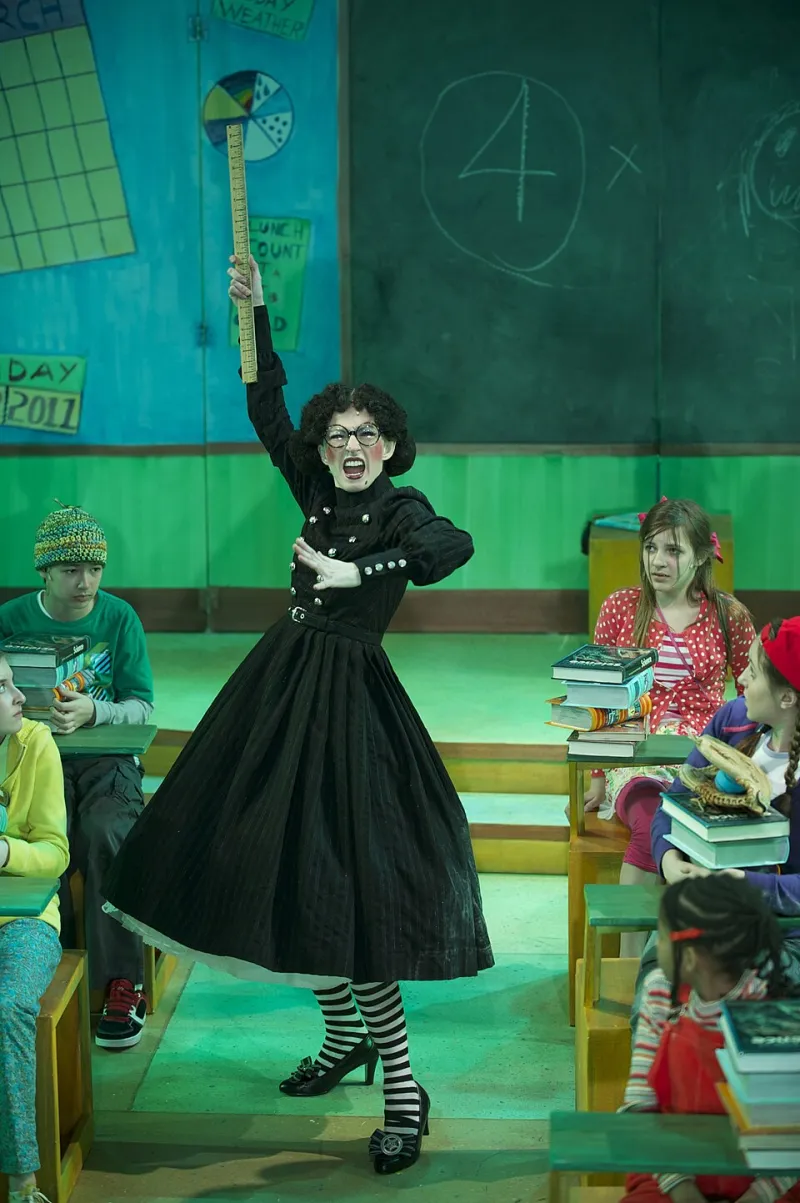
Photo: Thomas Nugent, CC BY-SA 2.0, via Wikimedia Commons
Parents' evening occupies a peculiar place in the school calendar. It is anticipated, timetabled and heavily attended, yet it is often asked to do too much in too little time. Ten minutes per family can easily become a monologue: a teacher summarises progress, mentions a target, offers a polite closing remark and ushers in the next queue. The report card is read aloud rather than discussed. For a working partnership between home and school, that model is inefficient.
A better approach does not require abandoning attainment information. It requires deciding what the conversation is for. If the purpose is to build a shared understanding of how a pupil is doing and what happens next, the format should make room for dialogue. A simple three-question structure can help teachers move from reporting to working conversation without extending the evening by a single minute.
Begin with the purpose, not the timetable
School leaders should define the intended outcomes of parents' evening before booking slots or drafting appointment sheets. Three outcomes are realistic: parents and carers should leave with clarity about progress, a shared understanding of barriers, and one agreed action. Everything else is secondary.
That clarity changes preparation. Teachers should arrive with a concise picture of strengths and priorities, not a scripted summary of every data point. Leaders should protect the slot from administrative clutter and ensure that appointment systems allow enough time for a genuine exchange. Where schools use online booking, the booking form can also invite parents and carers to note access needs, language preferences or a question they would like addressed. That small step reduces surprise and signals that the meeting is a two-way arrangement.
A three-question structure for every slot
The teacher opens with brief context: one genuine strength, one priority for development, and any essential information about attendance, behaviour or progress. Then the conversation shifts to three questions.
- What does a typical week look like for your child at home? This surfaces what the school cannot see: sleep, routines, anxiety, caring responsibilities, hobbies, friendship patterns, or friction around homework. It also signals that the parent or carer holds expertise about their child.
- What would you most like us to clarify or do differently to support them? This gives the family permission to ask the question they may have been too polite or too rushed to raise. It can be answered directly or followed up with a named member of staff.
- What is the one thing each of us will try before we speak again? This turns goodwill into a reciprocal commitment. The teacher might agree to a weekly check-in or a seating change; the family might agree to a consistent homework routine or to contact the school about a concern earlier. The action should be recorded and, where appropriate, shared in a brief written note.
If time is tight, the third question is the one to protect. A meeting that ends with a clear, modest commitment is more useful than one that covers every assessment point but leaves nobody sure what happens next. The structure also works well for pupils with additional needs, because it invites information about what is manageable and what is not.
Handling difficult conversations with confidence
Difficult conversations rarely fail because teachers lack knowledge. They fail because the emotional temperature rises faster than the structure can hold. Preparation is the best safeguard. Teachers should know the facts, not labels: specific examples of behaviour or progress, dates, actions already taken and the school's position. Avoid opening with a judgement when an observation will do.
Name the concern early and calmly. Use plain language, separate intent from impact, and acknowledge the parent or carer's concern before correcting any factual inaccuracy. If the conversation becomes heated, pause, summarise what has been heard and propose a follow-up with a named senior leader or the SENCO. Do not improvise a resolution to a complex issue in a ten-minute slot. Safeguarding concerns should follow the school's usual route without delay.
The teacher's tone matters as much as the words. A calm, specific and bounded conversation is more likely to preserve the relationship than a vague assurance that everything will be fine. Where an apology is due, a straightforward one is usually more useful than defensiveness. Where a boundary is needed, it should be stated clearly and without hostility.
Making the format inclusive for SEND and EAL families
Inclusion is not an optional extra in parents' evening design. It is a question of whether the format allows families to participate on equal terms. Timed slots, unfamiliar acronyms, written reports and fast speech can exclude parents and carers who are still developing confidence in English, who have their own negative experiences of school, or who are supporting a child with special educational needs or disabilities.
Practical adjustments are often modest. Send the three questions in advance in plain English and, where possible, translated. Avoid acronyms such as EHCP, SENCO or EAL unless they are explained. Offer longer or quieter slots for families who need them, and ask about access requirements at booking. Never rely on a child to interpret for their parents; arrange a professional interpreter where needed. For some families, a phone or video conversation may be more accessible than an evening visit.
Where a pupil has an education, health and care plan or significant additional needs, consider whether the SENCO or a key adult should attend part of the meeting. Provide a short written record of agreed actions in accessible language. These steps do not guarantee attendance, but they remove some of the practical and cultural barriers that make attendance harder.
The leadership task
Redesigning parents' evening is not primarily a matter of changing the appointment sheet. It is a matter of changing the expectation of what the conversation is for. Leaders can support that shift by providing a standard three-question prompt, training staff in difficult conversations, reviewing access arrangements, and asking for feedback from families and teachers after the event.
The test is simple: did families leave knowing what was going well, what needed attention and what would happen next? If the answer is yes, the evening has done its job. The report card may still be part of the conversation, but it is no longer the whole of it.